Your society was always a market.
It just had nowhere to live.
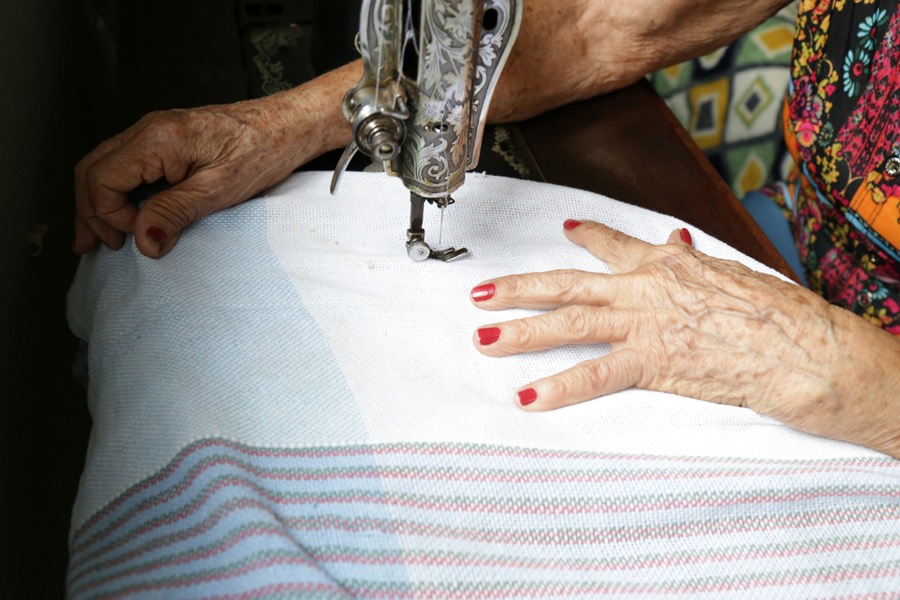
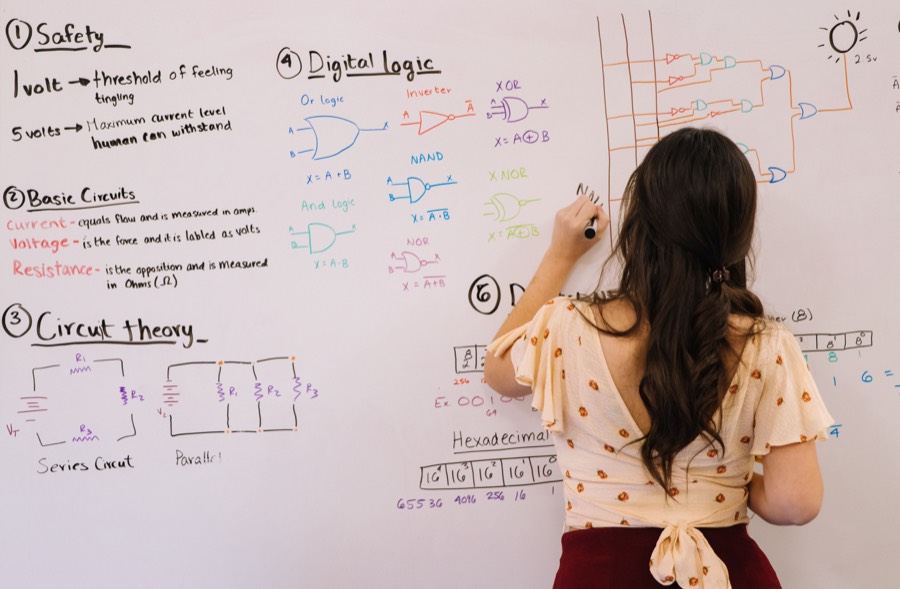
Walk through any gate in India and there is already a business behind half the doors. Somebody's mother packs forty lunch boxes before nine. Somebody's daughter takes maths tuitions on Tuesdays. Somebody in Tower 4 stitches better blouses than the shop on the main road. None of it is listed anywhere. All of it works.
That market has been running for as long as people have lived near each other. It ran on WhatsApp for the last ten years, and on the notice board before that, and on knocking before that. We didn't invent any of it. We just thought it deserved better than a group with 387 unread messages.
So here is what we believe, in the order it matters. Everything in the app comes from these five things — and when we have to choose, this is the list we choose from.

01Nothing here is new.
Neighbours have always sold to neighbours. The tiffin at the gate, the tailor in B-block, the tuition on the third floor, the aunty whose pickles everyone quietly rations. This is the oldest kind of commerce there is, and it never needed us.
We didn't build this market. We found it, and gave it somewhere to live. That's a smaller claim than most apps make, and we'd rather make the small true one.
02Everything is one lift ride away.
Not a warehouse in another city. Not a stranger on a bike. Not a fifteen-minute promise that somebody else has to sprint to keep. The person cooking your dinner lives in the building you're standing in, and you will see them at the lift tomorrow morning.
That closeness is the whole product. It's why the food is warm, why the tailor remembers your measurements, and why almost nothing goes wrong — because going wrong has consequences when you share a lift.
03Your neighbours decide who's real. Not us.
Every app in the country has a blue tick, and none of them will tell you what it took to get one. Ours is boring on purpose, and you can read the whole rule in ten seconds: someone in your own flat says you live there, you deal with a couple of neighbours from different homes, and you've been around about a week. That's it. That's the badge.
Nobody sitting in an office marks you trusted. There is no form, no fee, no Aadhaar or sale deed to upload, and no way to talk us into it — we don't have a button for it either. Your building already knows who lives in it. We just count what it knows.
04You pay your neighbour, not us.
No commission on a single order. Not now, and not once there are enough of you to make it tempting. The money goes straight from your phone to theirs, by UPI or in cash, and it never passes through us — which means we couldn't keep a slice of it even if we changed our minds.
When a home cook sells a hundred rupees of food, she keeps a hundred rupees. That's the only promise about money we make, and it's the one we can keep for good.
05Small on purpose.
A society is one gate and the homes behind it — a few hundred, sometimes a few thousand. We open one at a time, and a society only goes live when enough neighbours actually want it. That is slower than launching in forty cities, and we know exactly how it looks on a chart.
But a market of millions of strangers is a different thing entirely — it needs ratings to replace knowing someone, refund teams to replace trust, and a cut of every order to pay for both. We'd rather be your society's own than everybody's.
And one thing we're not trying to do.
We are not trying to replace your society group. Keep it. The good mornings, the festival photos, the lost-cat posts, the arguments about parking — a group is genuinely good at all of that, and none of it belongs in an app like ours.
We only took the shop out of it: the part where a good post disappears in forty minutes, where somebody counts "+1" replies at midnight, and where the best cook in your tower can sell for three years without you ever finding out. Everything else stays where it is. When you find something good here, share it straight back to the group.
Your society was always a market. It just had nowhere to live.